Legal name: Yuhan Li
Click to show legal name
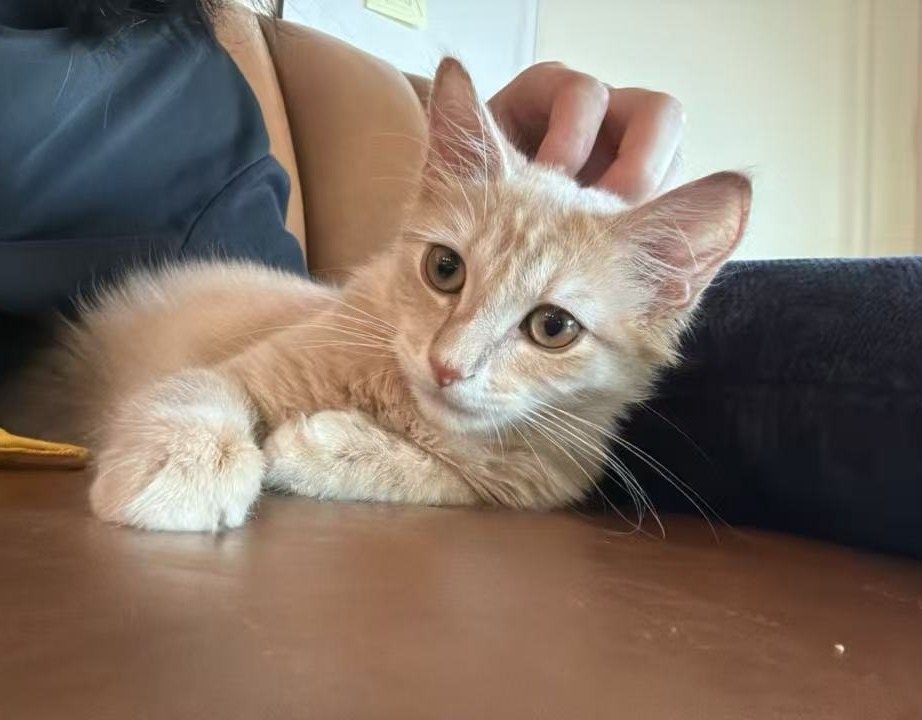
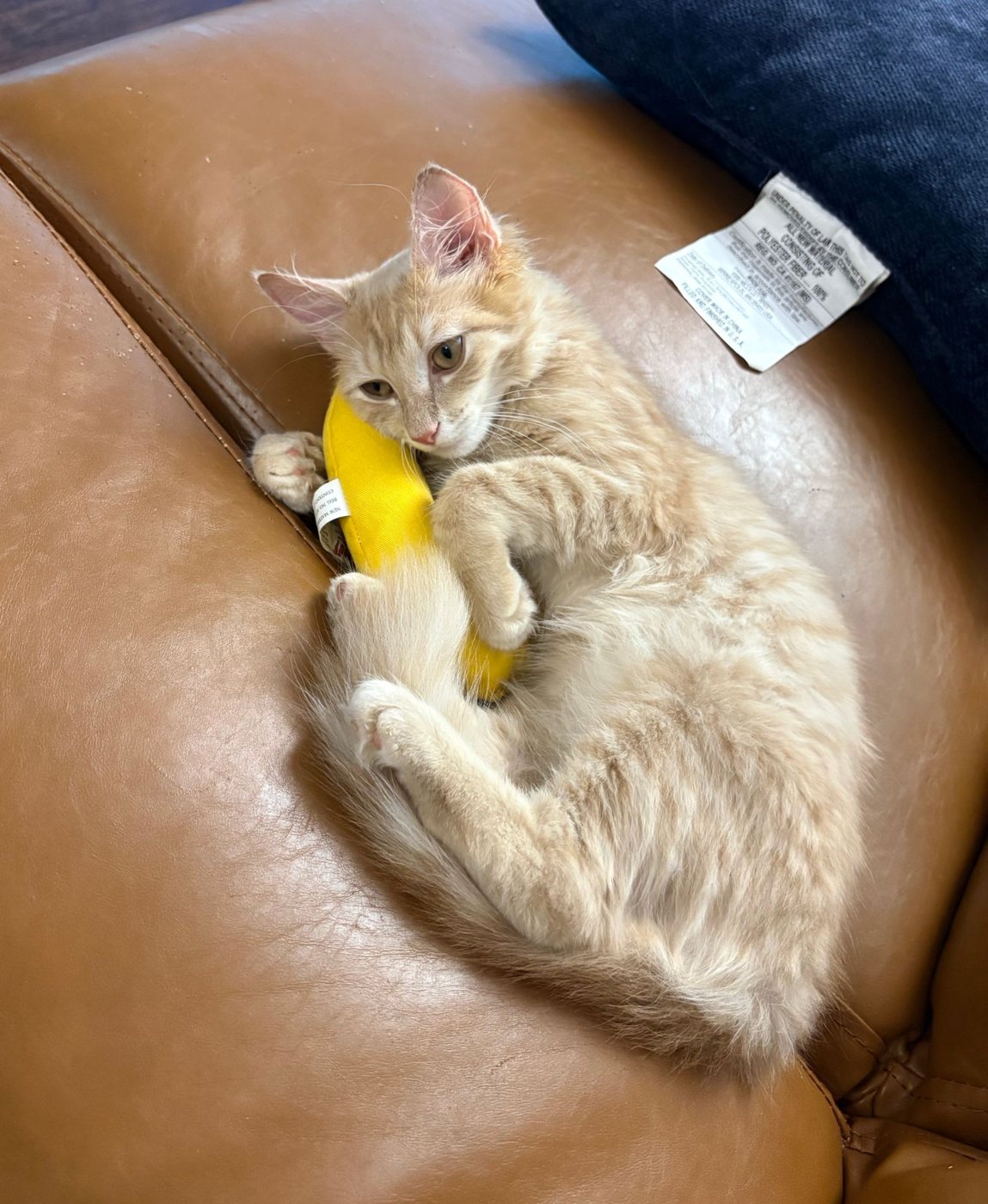
I am a second-year PhD student in Bioengineering at the University of Pennsylvania, working in the Faryabi Lab. I study how mantle cell lymphoma cells become resistant to BTK inhibitors, and whether enhancers and 3D genome organization contribute to it. Outside the lab I draw, eat a lot of potatoes, and live with my cat, Peanut.
- Program
- Bioengineering PhD, second yearUniversity of Pennsylvania
- Lab
- Faryabi Lab
- Undergraduate
- UC San Diego
- Home
- 3601 Market Street, Philadelphia, PA 19104Get directions
- Born
- November 24, 2002
- Favourite food
- Potato
- Hobby
- Drawing
The moon on November 24, 2002
Phase is calculated in your browser from the mean lunar cycle and may be off by about a day. The drawing is illustrative.
- 2002Born on a . That was days ago, or seconds and counting.
- NextNext birthday in days.
- 1859Charles Darwin's On the Origin of Species was published on November 24.
- 1974The "Lucy" fossil, Australopithecus afarensis, was found in Ethiopia on November 24.
- SignsSagittarius. Year of the Horse in the Chinese zodiac.


Mechanisms of BTK inhibitor resistance in mantle cell lymphoma
My research focuses on mantle cell lymphoma, a B-cell malignancy, and the mechanisms by which it becomes resistant to targeted therapies known as BTK inhibitors. I focus on three newer-generation agents: acalabrutinib, zanubrutinib and pirtobrutinib. I hypothesize that resistance arises not only from mutations but also from changes in enhancers, the regulatory DNA elements that control gene expression.
Disease
Mantle cell lymphoma
Lymphomas are cancers of lymphocytes, a class of white blood cells. Mantle cell lymphoma originates from B cells, the lymphocytes responsible for antibody production.
Target
BTK signalling
Mantle cell lymphoma cells depend on a survival signal initiated at the B-cell receptor on the cell surface. The signal is relayed through LYN and SYK to BTK, Bruton's tyrosine kinase, which amplifies it. Downstream, PLCγ2 triggers calcium signalling, and NF-κB and MYC activate survival programs that sustain growth. Inhibiting BTK interrupts this cascade and halts proliferation.
With prolonged treatment, however, lymphoma cells frequently resume growth despite continued BTK inhibition, a process termed acquired resistance. Known mechanisms include mutations in BTK or PLCγ2. These mutations do not account for every case, which raises the question of whether resistant cells rewire their enhancers to maintain survival gene expression.
Drugs
Four BTK inhibitors
All four agents inhibit BTK. My project focuses on the three newer-generation inhibitors. Select a card to view its mechanism. Drug names ending in -tinib denote tyrosine kinase inhibitors.
Which BTK inhibitor are you?
Hypothesis
Enhancers and DNA loops
Each gene has a promoter, where transcription begins, and is frequently regulated by distal enhancers that increase its expression. Although an enhancer may lie far from its target along the linear DNA, chromatin looping can bring the two into physical contact in three-dimensional space. I hypothesize that resistant cells gain or lose such loops to maintain expression of survival genes. Use the slider to fold the DNA.
Figure 1. An enhancer contacting a promoter through a DNA loop. Illustrative, not data.
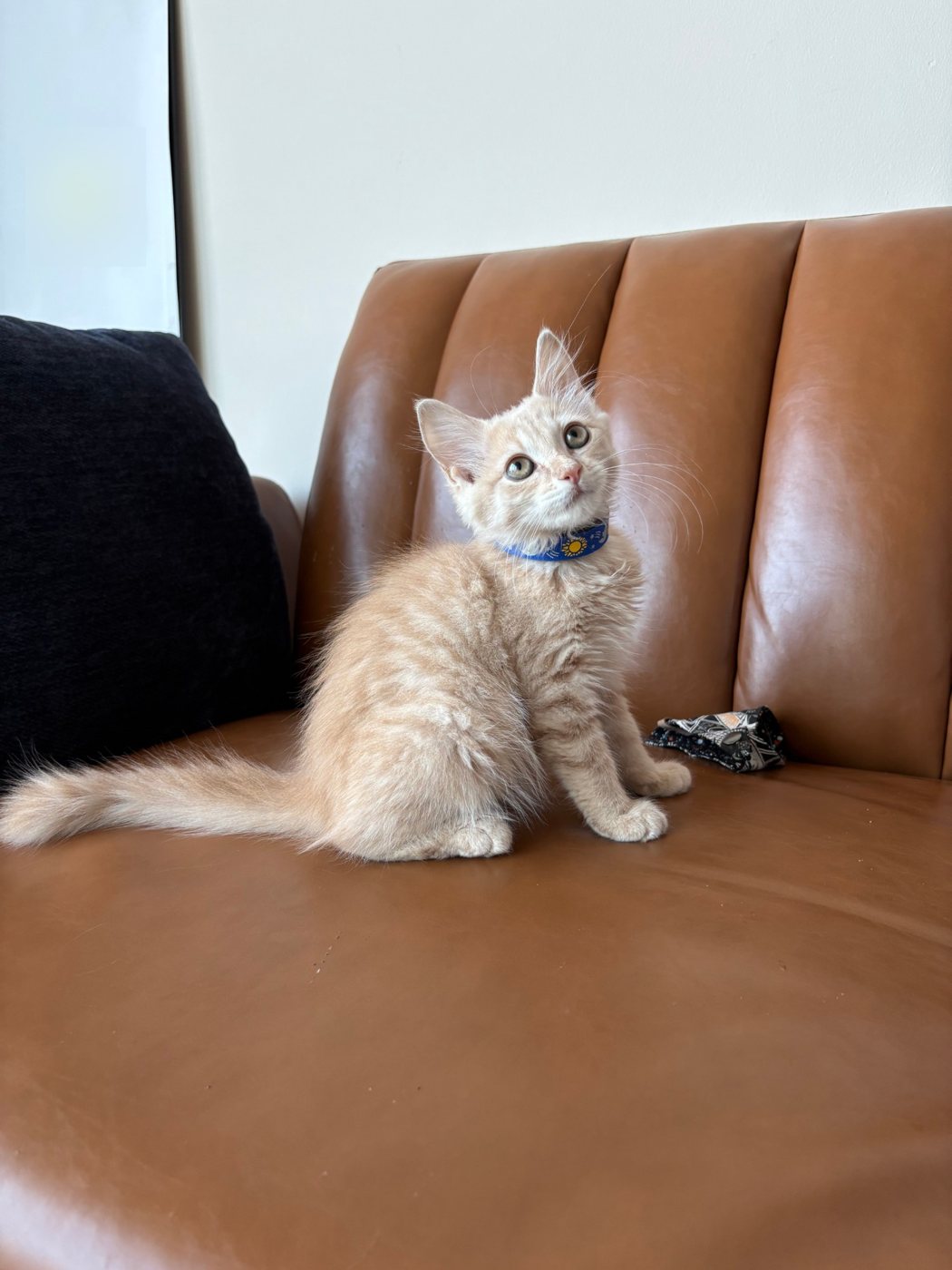
Peanut
- Species
- Felis catus
- Breed
- Domestic medium hair
- Coat
- Cream tabby
- Favourite food
- Dry minnows
- Address
- 3601 Market Street, Philadelphia, PA 19104
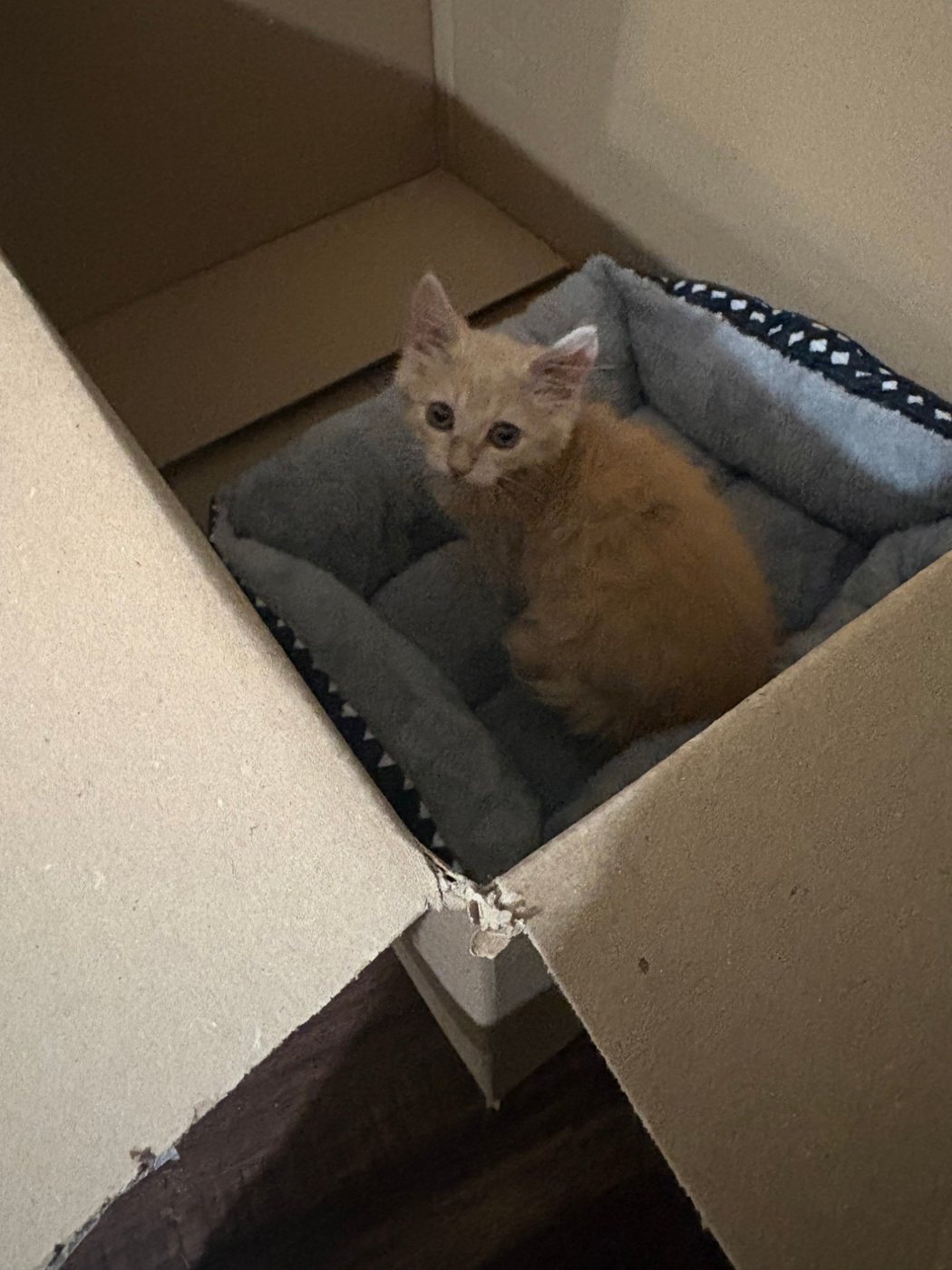
Play with Peanut
Click Peanut to pet, toss a dry minnow, or bring out the laser pointer. Peanut naps when full.